Luca Dal Zilio
Luca Dal Zilio
Scientist & International Speaker

Understanding the complex systems
that shape our world.

Luca Dal Zilio is a scientist and international speaker. For over a decade he built computer models of earthquakes and plate tectonics, and used them to understand risk and make decisions when the full picture is never available.

Scroll

For over a decade, Luca built computational models to explain how — and why — complex physical systems behave, working across Switzerland (ETH), California (Caltech), and Singapore (NTU) and publishing in top-tier journals. The same conviction runs through his work today — that complex, chaotic systems can be understood and reasoned about, whether in research or in industry. He speaks internationally on science, complex systems, and decision-making under uncertainty.

Keynotes & interviews

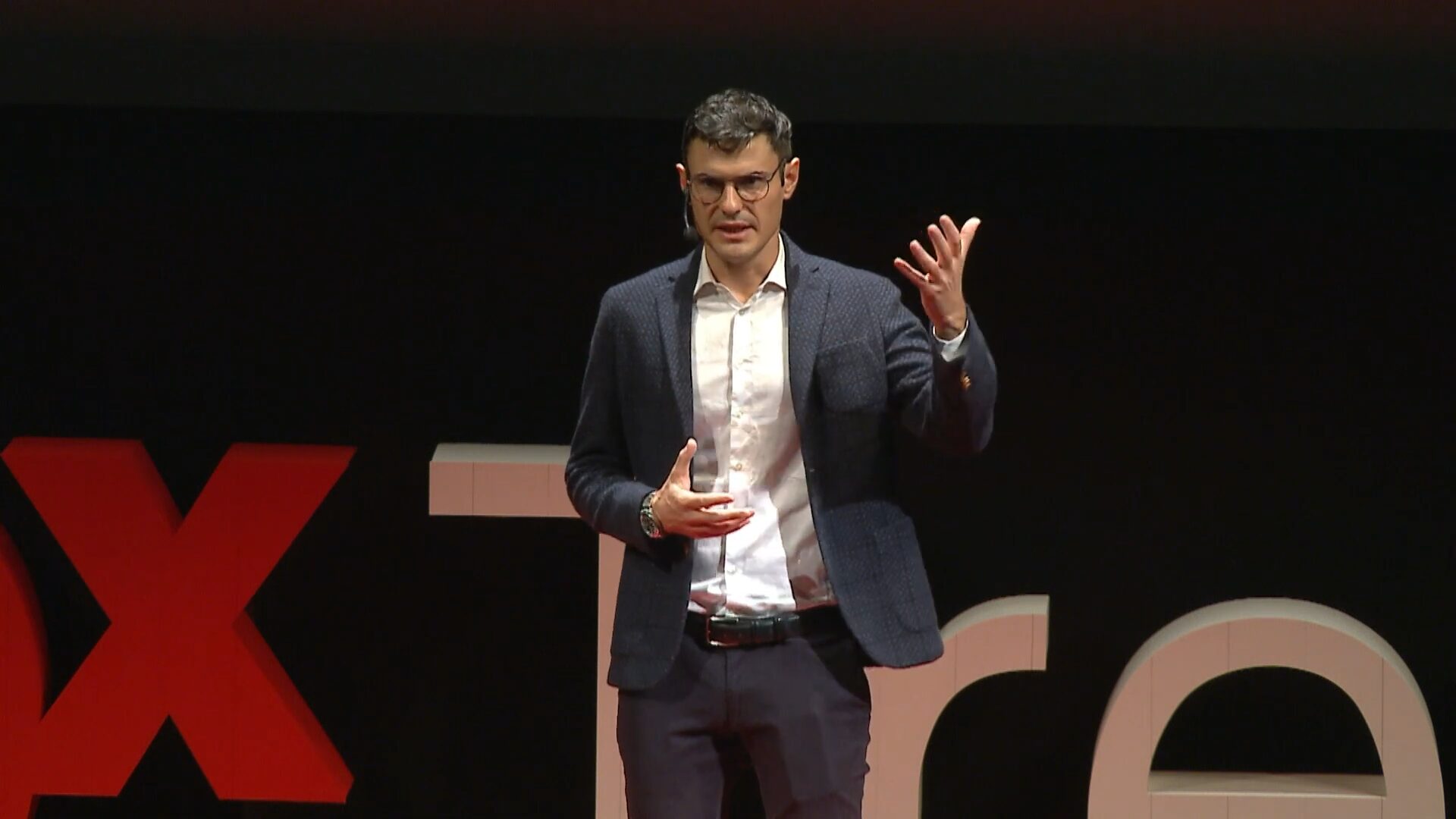
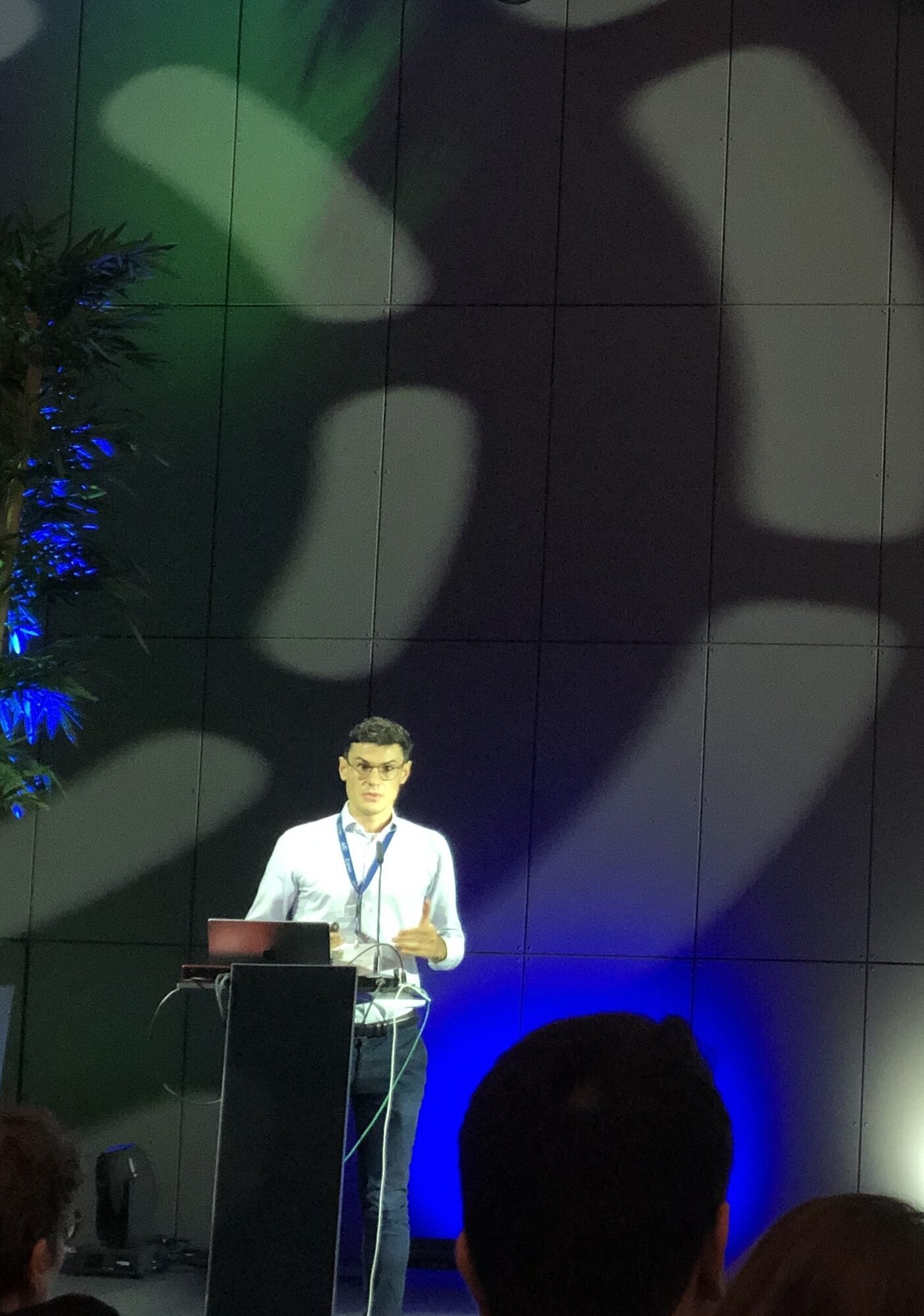
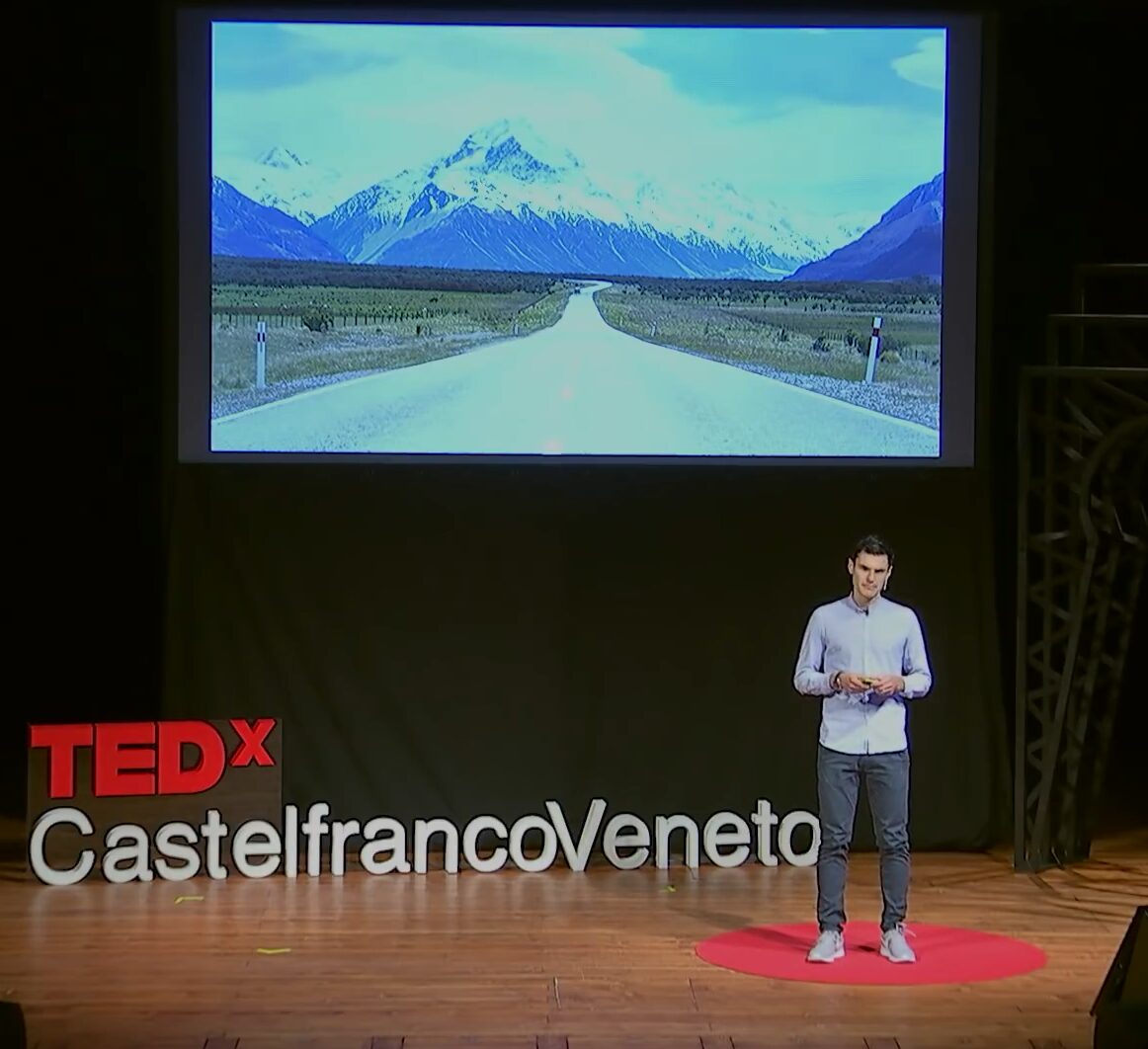
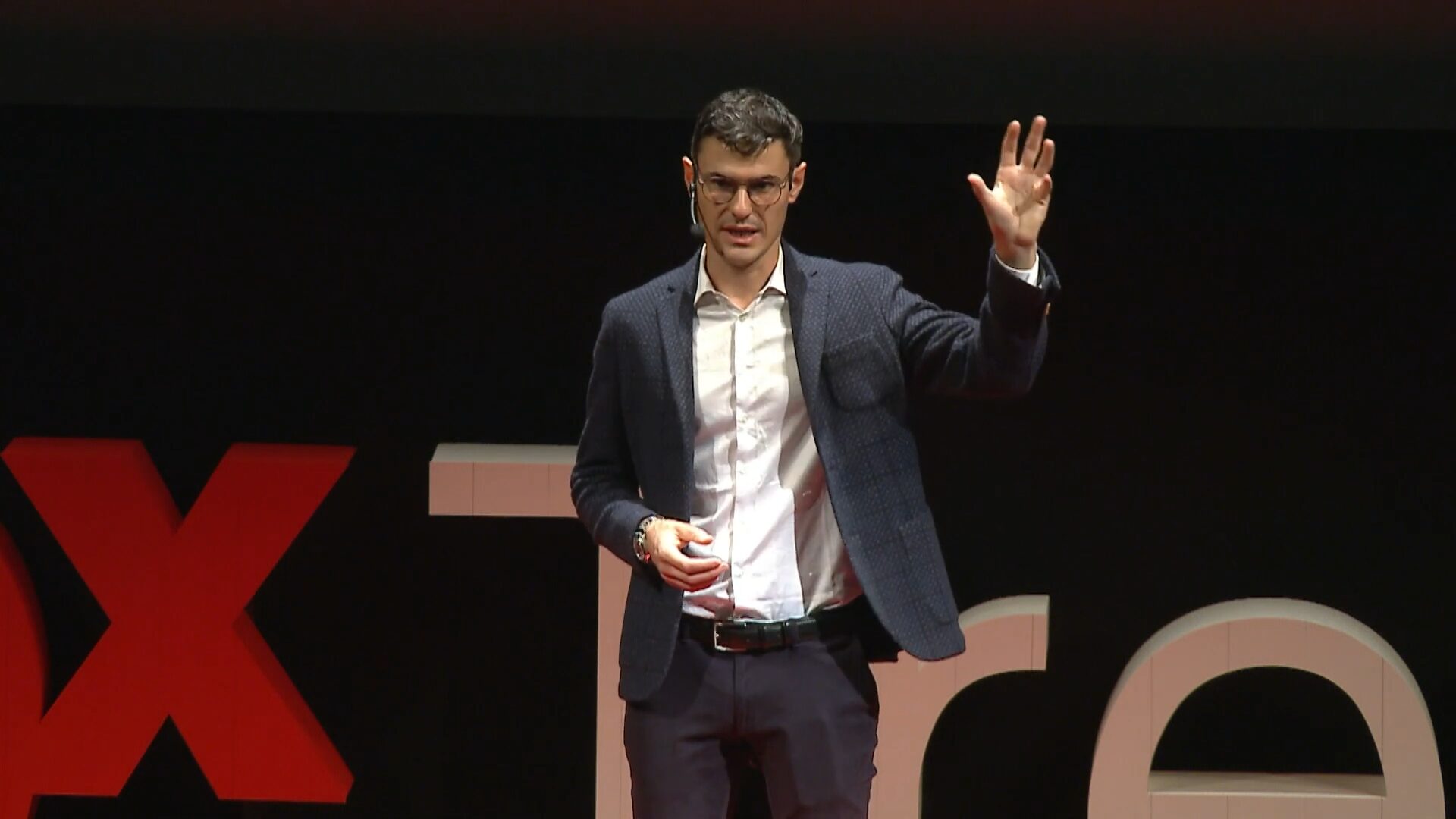
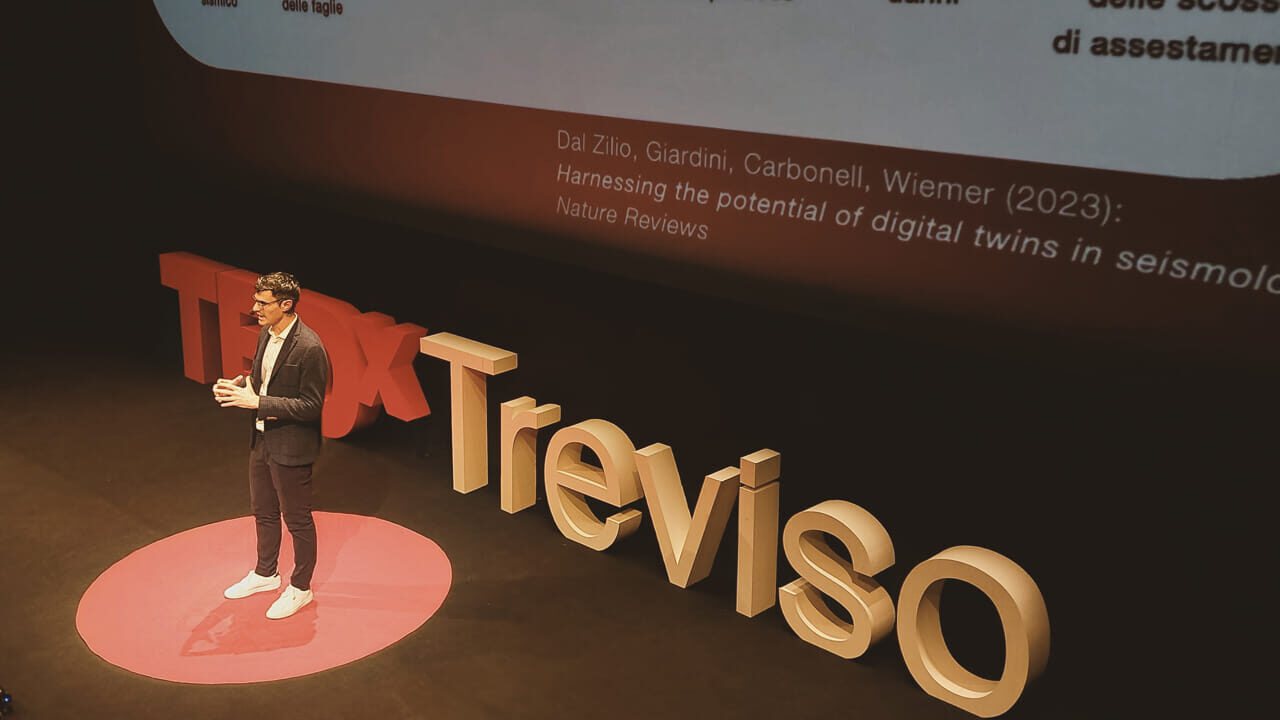
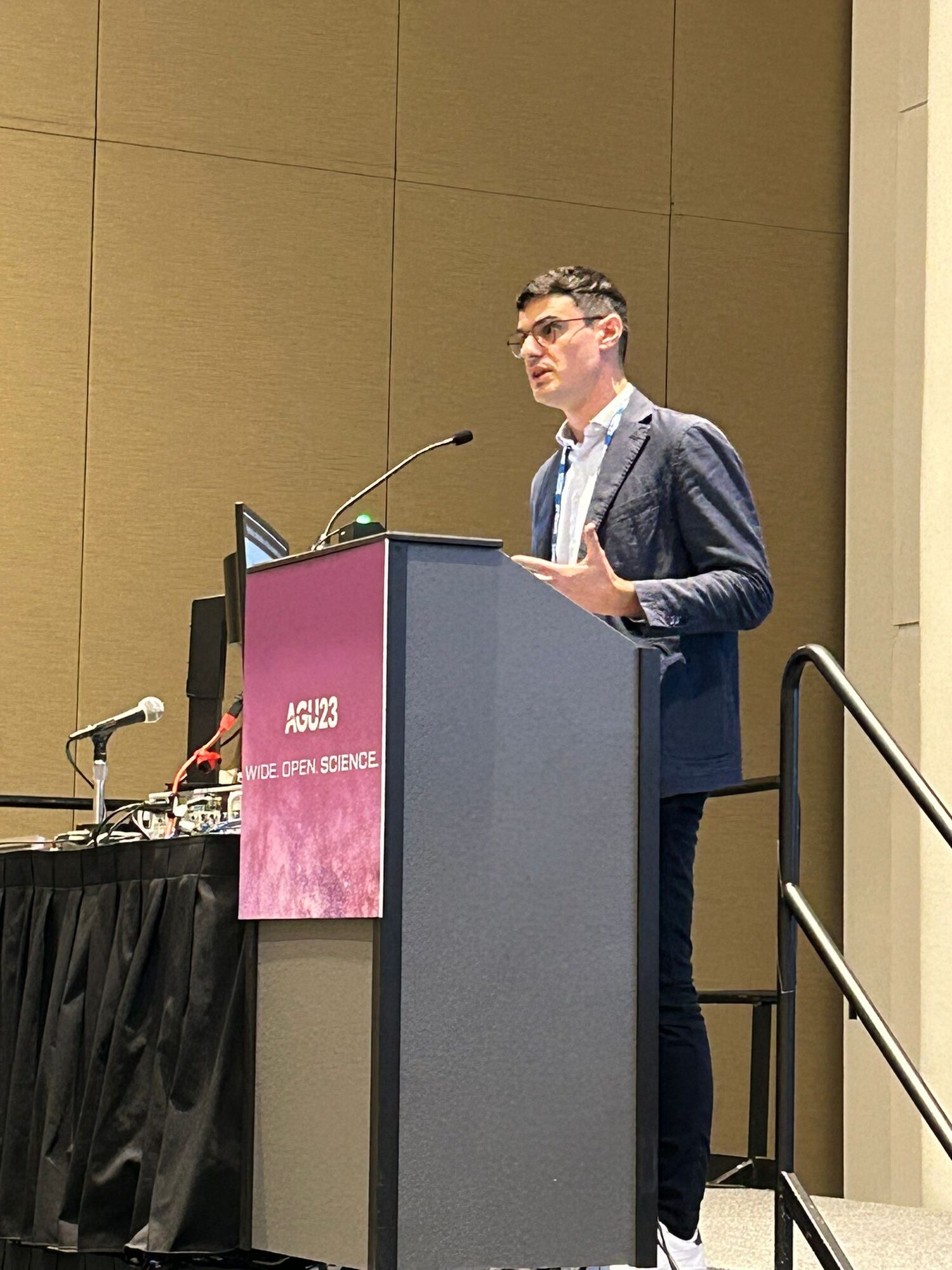
Luca Dal Zilio speaking at a TEDx event
Public Speaking
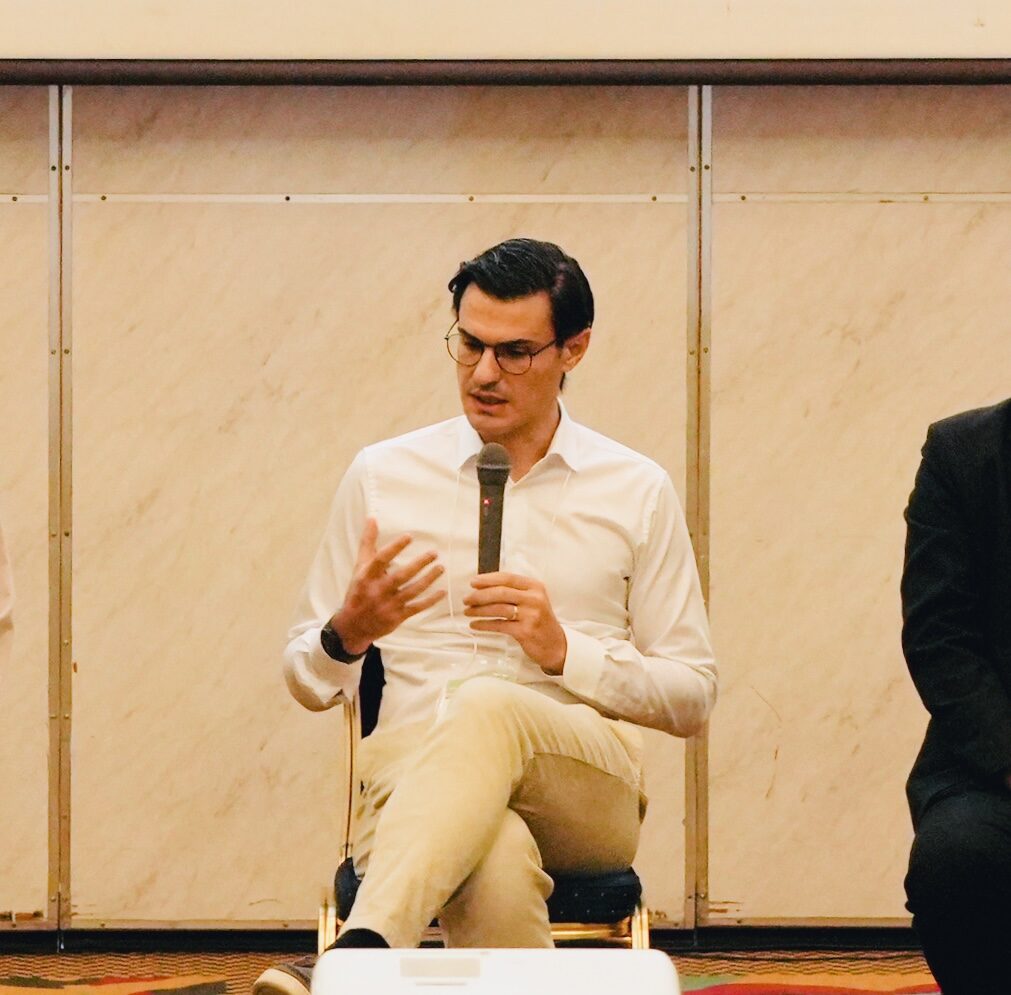
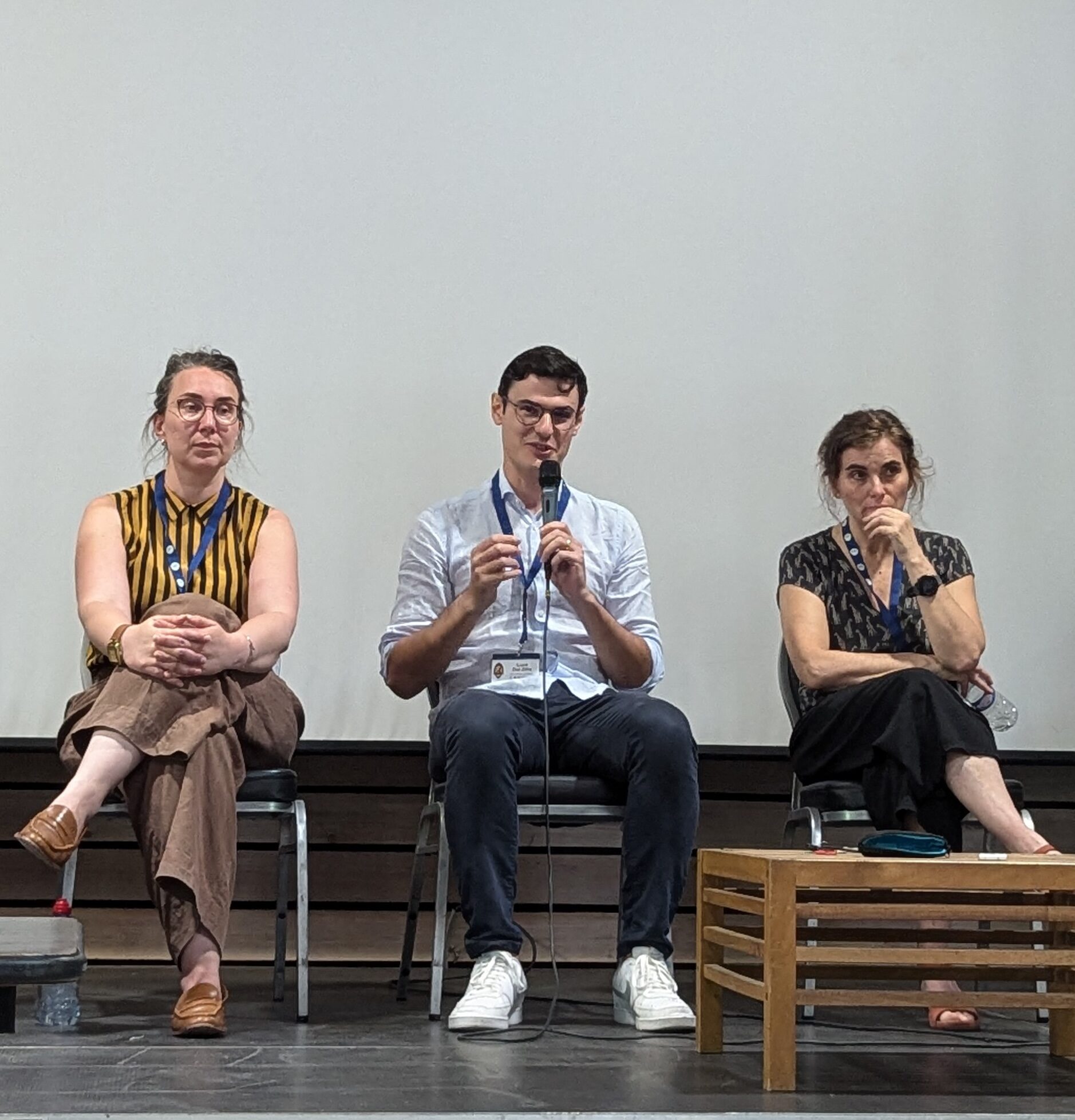
Luca Dal Zilio in a plenary discussion
Plenary Discussion
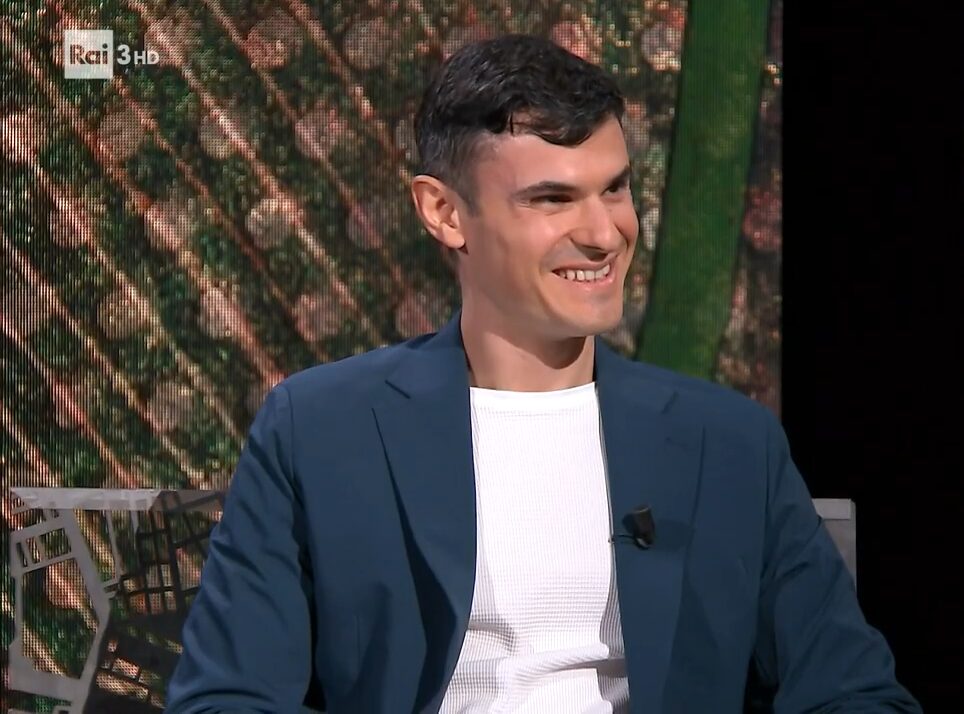
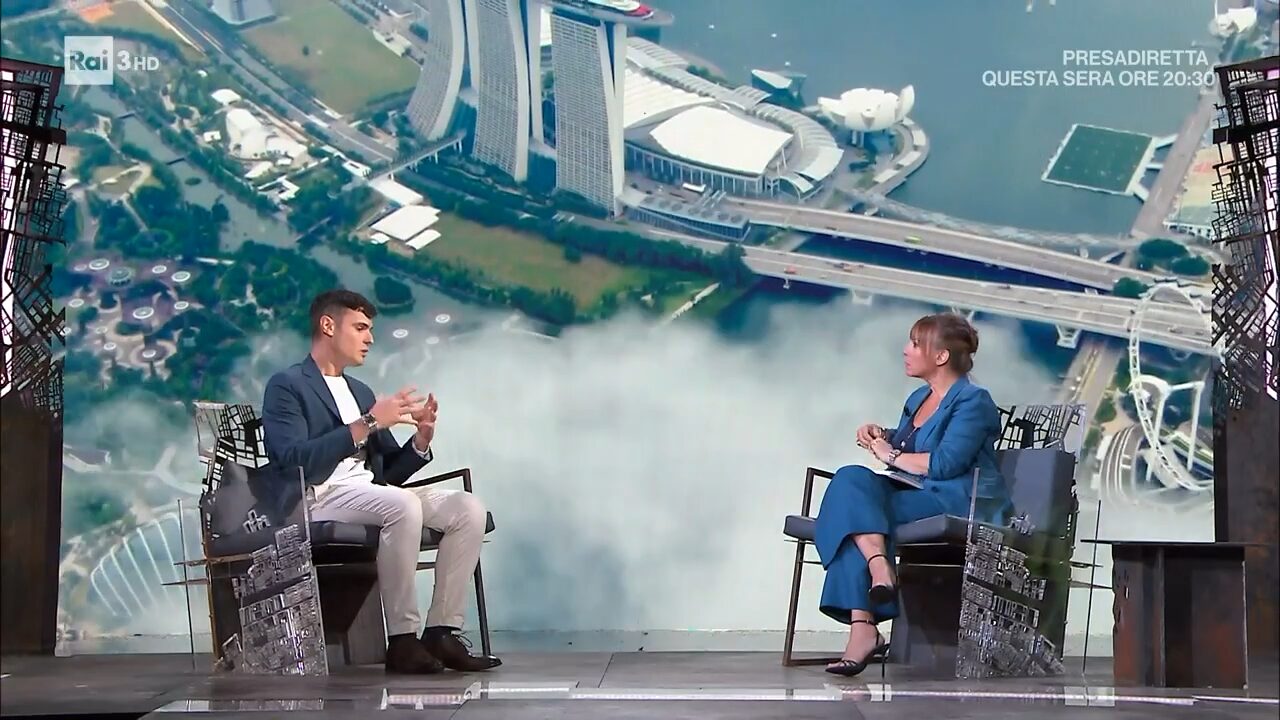
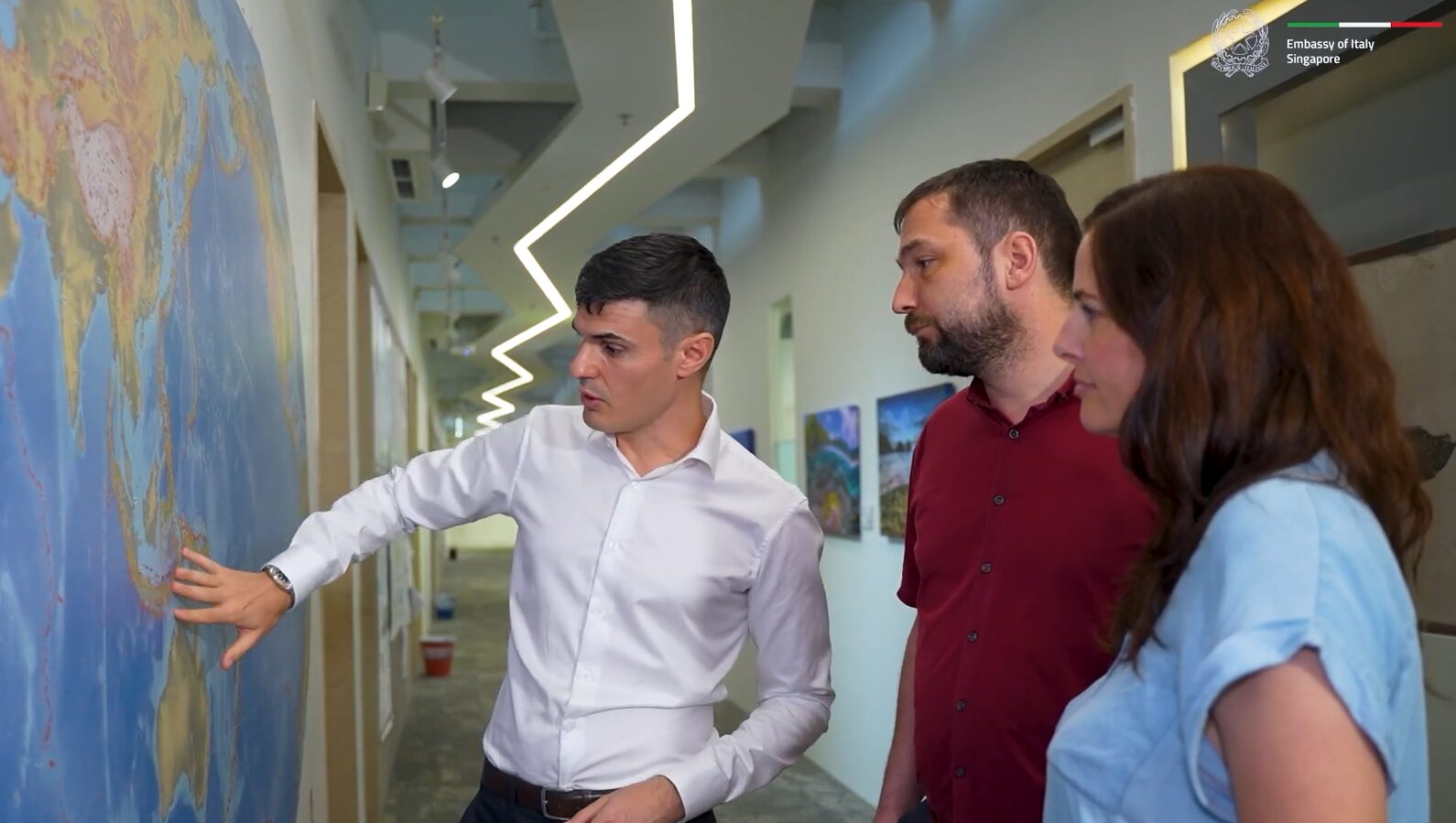
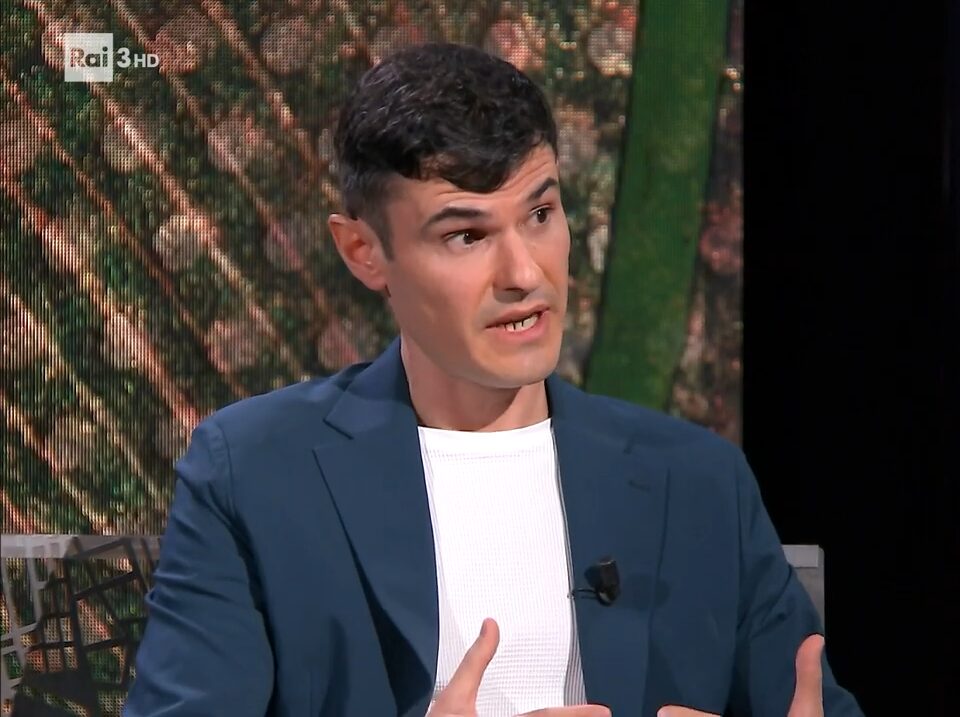
Luca Dal Zilio in a television interview
TV Interview
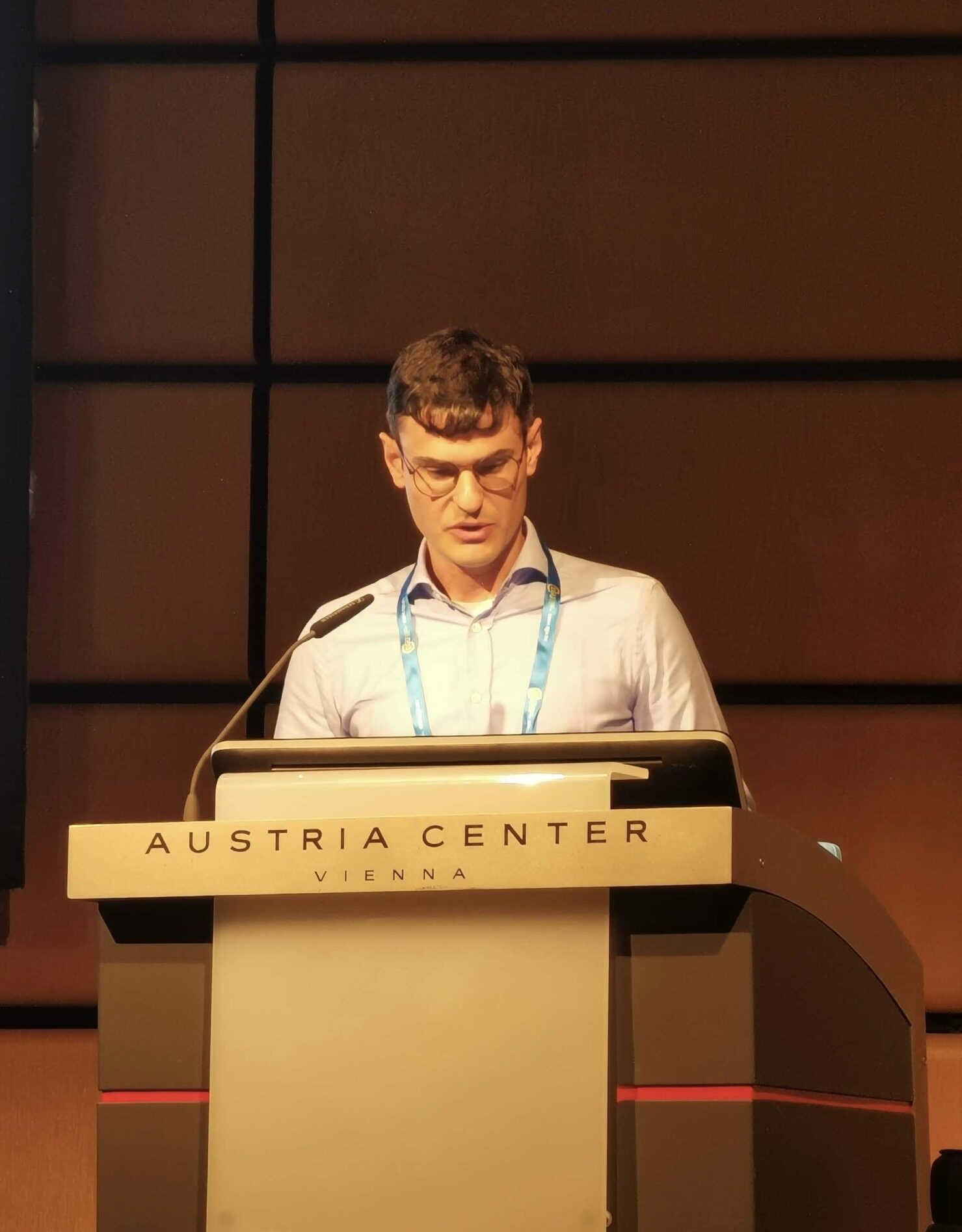
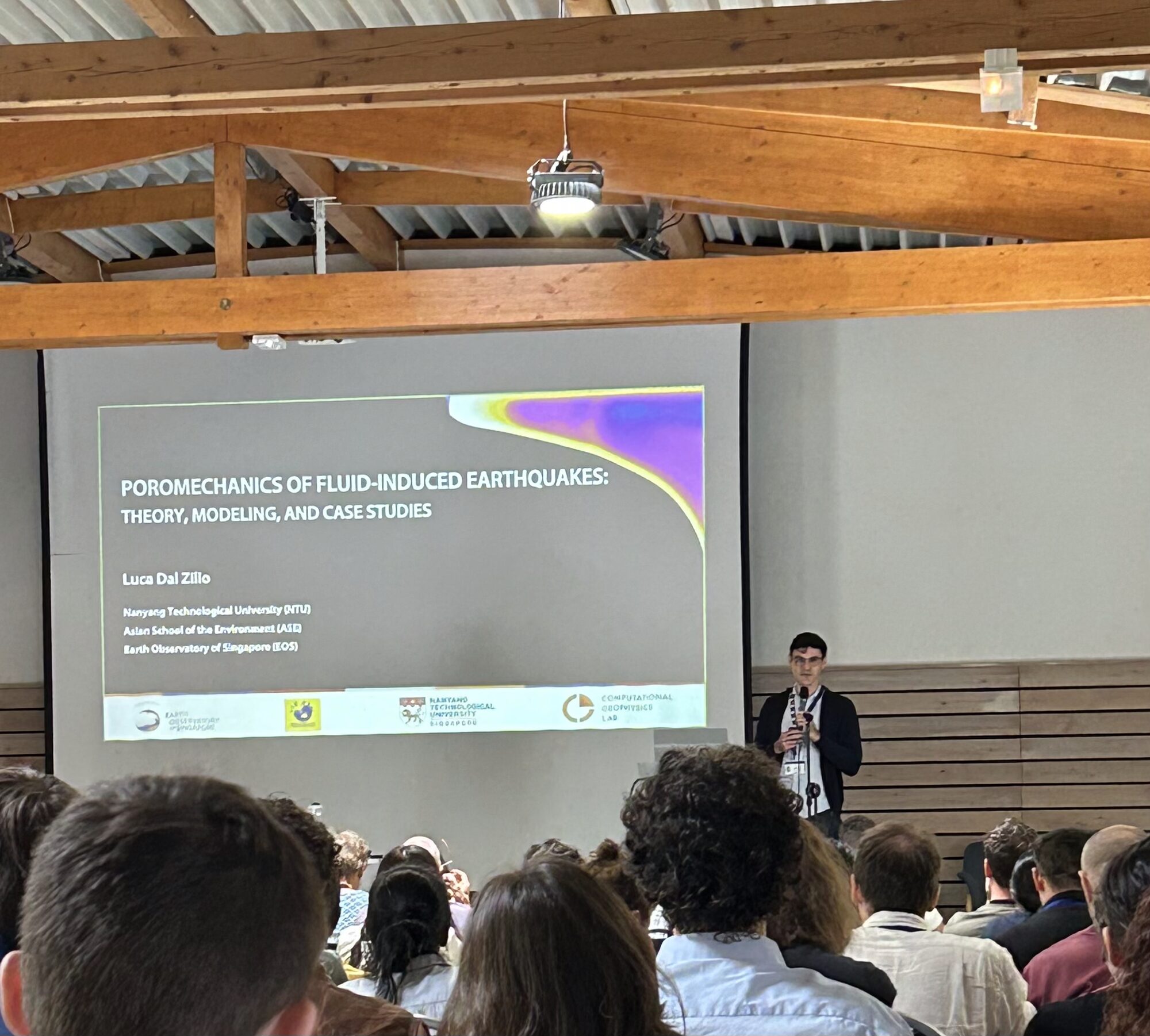
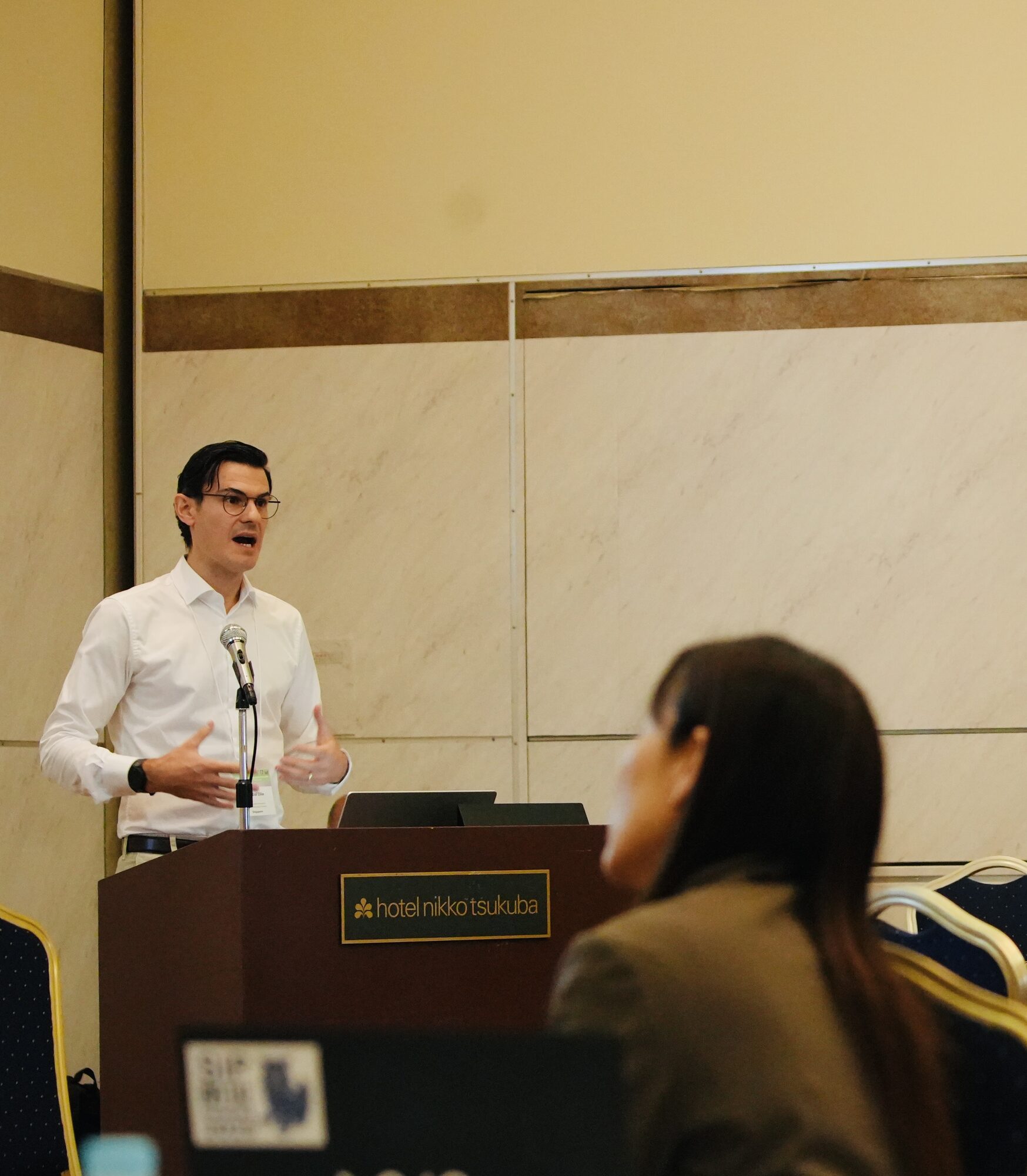
Luca Dal Zilio delivering a keynote in Vienna
Keynote Presentation
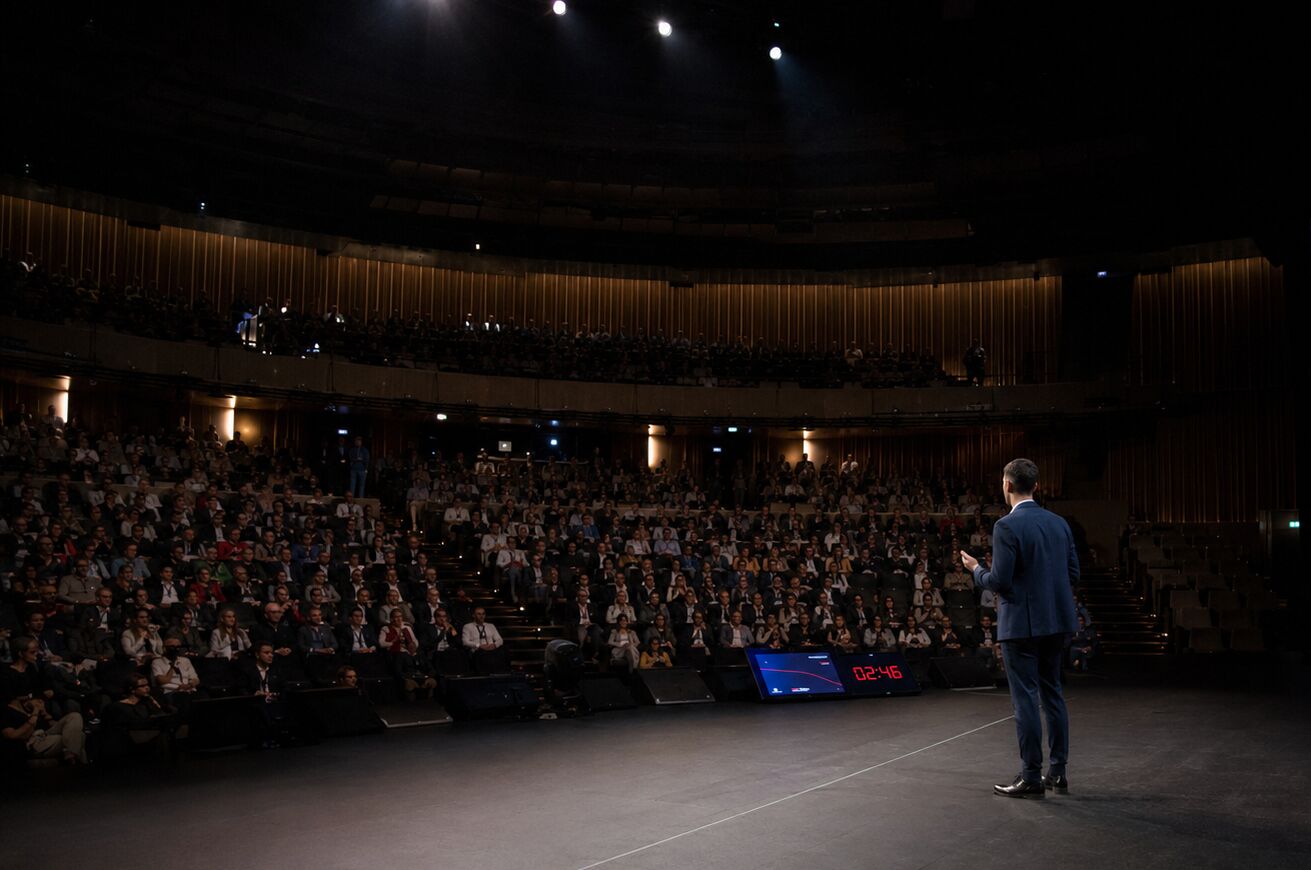
Luca Dal Zilio speaking to a large auditorium audience
“
The systems that shape our world, physical, natural, or human, are never fully observable. The task is to understand them well enough to act.
Luca Dal Zilio
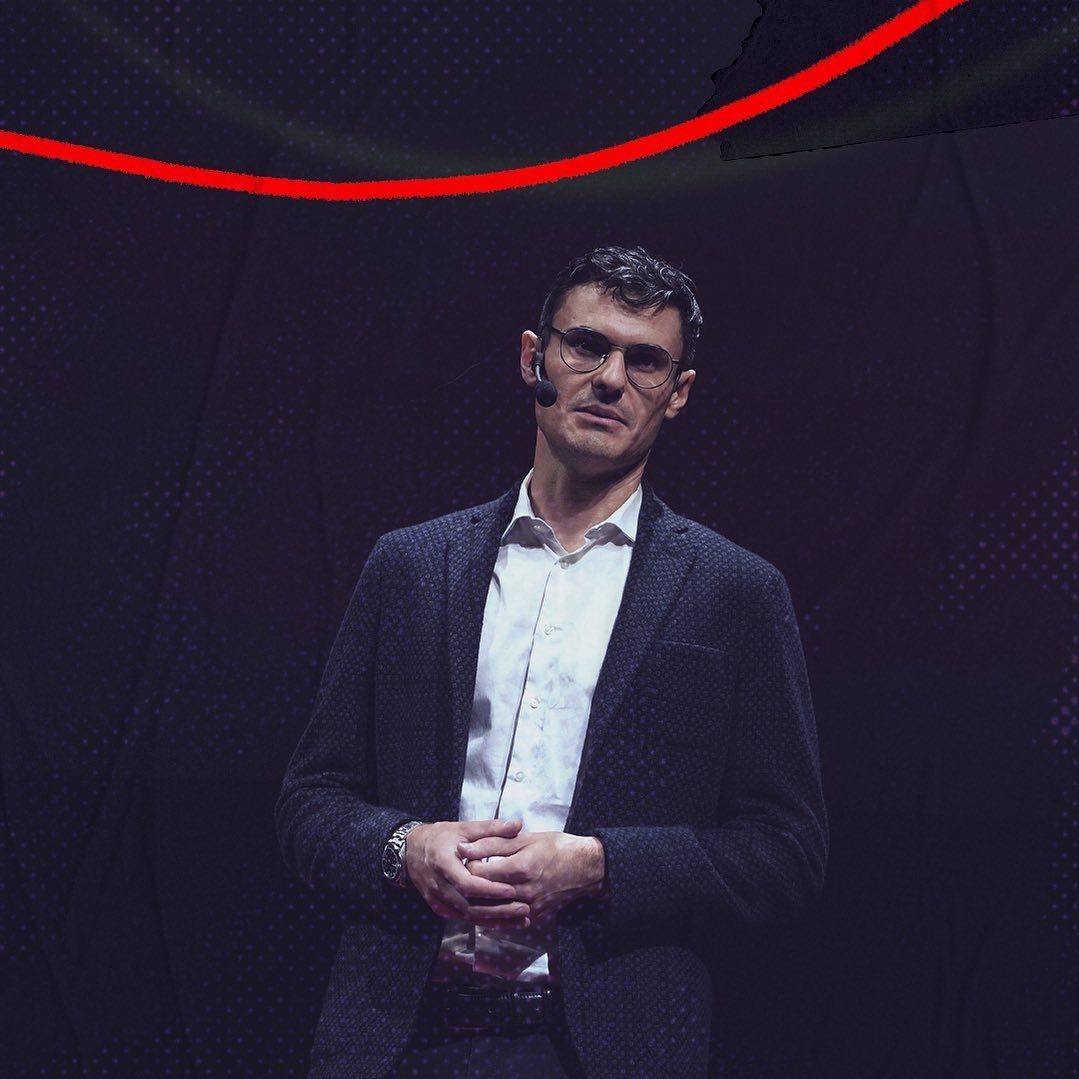
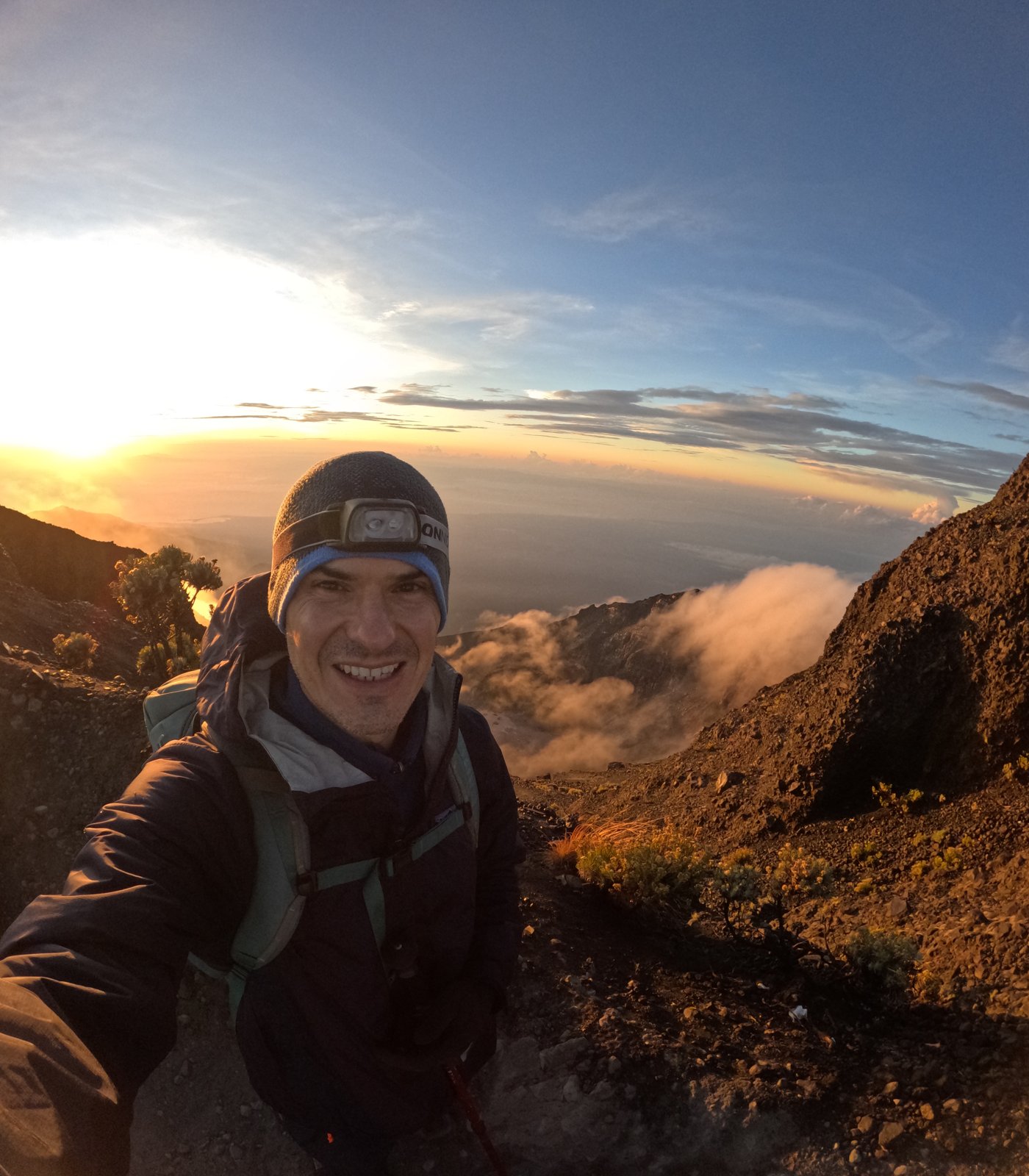
Portrait of Luca Dal Zilio
Speaks internationally

Awards

  • 2026Outstanding Early Career Scientist Award, EGU
  • 2025Nanyang Assistant Professorship (NAP), NTU Singapore
  • 2023Jason Morgan Early Career Award, American Geophysical Union
  • 2022Prix Schläfli Award, Swiss Academy of Sciences
  • 2021Giorgio Dal Piaz Award, Italian Geological Society
  • 2020Silver Medal, ETH Zurich, Outstanding Doctoral Thesis
  • 2019Cecil and Sally Drinkward Distinguished Postdoctoral Fellowship, Caltech
  • 2019Springer Nature Thesis Award
Bio

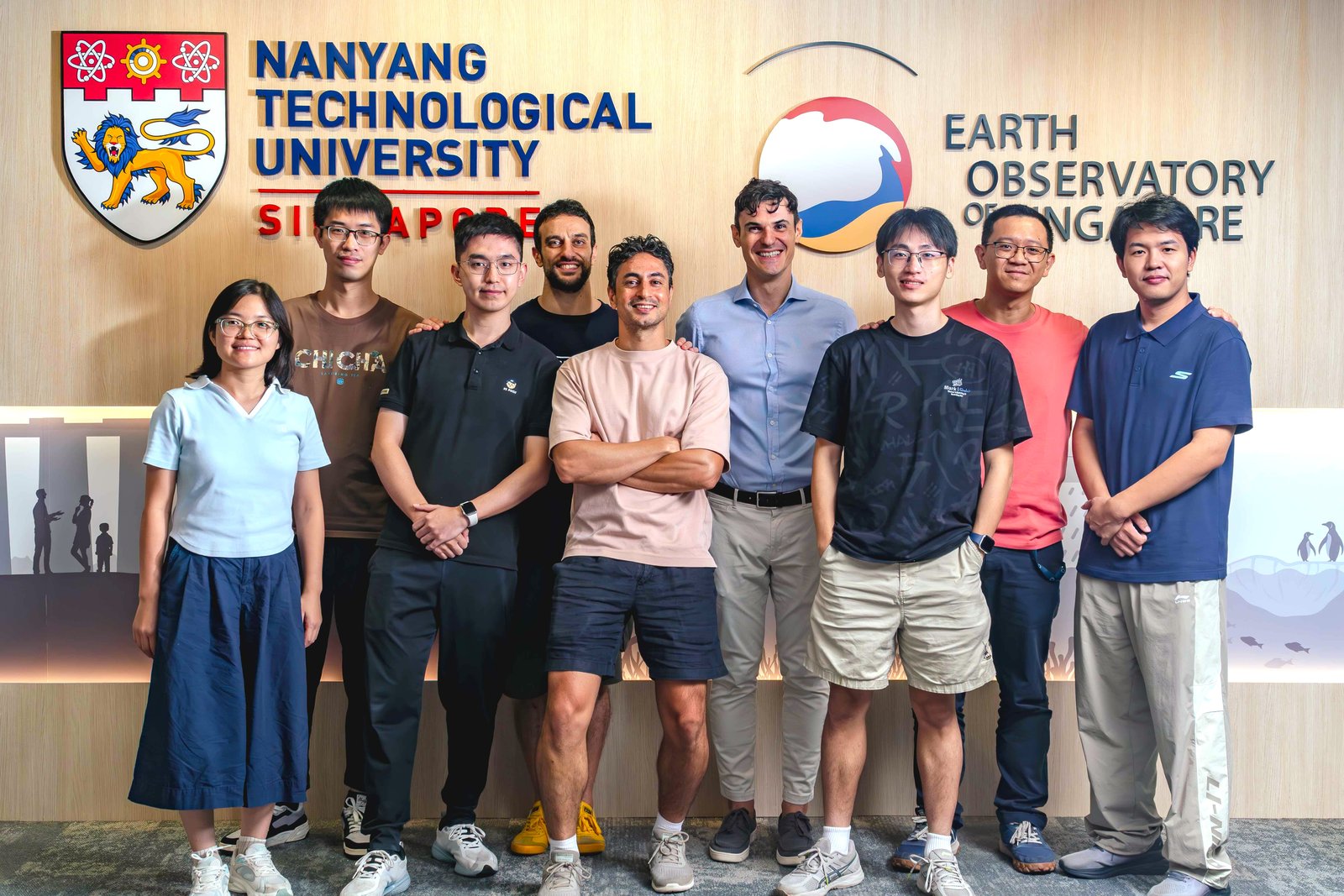
Luca Dal Zilio is a scientist who spent over a decade building computer models of the Earth. As a professor at Nanyang Technological University and principal investigator at the Earth Observatory of Singapore, he built physics-based models that helped explain some of the most consequential earthquakes of the past decade, published in the world's leading journals and cited across the global seismology community.

His research covered earthquakes, plate tectonics, and how mountains are built, using supercomputers and machine learning to estimate seismic hazard where direct observation is impossible. That work has a practical purpose: it informs where and how we build infrastructure, how we plan for the long term, and how we make decisions when the ground itself is the unknown. Alongside his research, he became a public voice for science, giving TEDx talks, appearing on national television, and writing a book on the physics and geopolitics of the world beneath our feet.

What he does today comes directly from that experience: take a hard problem, build a model you can test, be honest about what it cannot tell you, and decide anyway. He speaks internationally on earthquakes and natural hazards, complex systems, and decision-making under uncertainty.

Academic Qualifications

  • 2019PhD (with distinction) in Geophysics ETH Zurich, Switzerland
  • 2014MSc (summa cum laude) in Geophysics University of Padova, Italy
  • 2012BSc (Hons) in Earth Science University of Padova, Italy

Summary of Working Experience

  • 2024–2026Professor & Principal Investigator Asian School of the Environment and Earth Observatory of Singapore, NTU
  • 2021–2024Senior Researcher ETH Zurich
  • 2019–2021Research Fellow California Institute of Technology (Caltech)

Keynote topics

01
Earthquakes & Natural Hazards

What Really Happens When the Ground Breaks

Drawing on his research and the machine-learning models he built to forecast seismic hazard, Luca explains the physics behind the world's most destructive natural hazards, and how that knowledge shapes where we build, what we insure, and how we plan for the decades ahead.

02
Complex Systems & Deep Uncertainty

Simulating the Unknowable

How large-scale simulation and artificial intelligence let us reason about systems too complex to ever fully observe, and what that teaches us about making decisions with incomplete information.

03
Artificial Intelligence in Science

Machines, Models, and the Limits of Prediction

Where machine learning is transforming how scientists understand nature, and where human judgment still cannot be replaced.

04
Science Leadership & Communication

Leading Teams Into the Unknown

Lessons from building and leading a research group at the frontier of AI-driven science, translating complex ideas for public audiences, and the discipline of reinventing a career at its peak.

05
Career Reinvention

Betting on Yourself

What it takes to walk away from a career built over a decade and start again, deliberately, carrying the same computational and AI toolkit from one discipline into an entirely different one.

06
The World Beneath Us

What the Underground Reveals About Our Future

From carbon storage to rare-earth mining, and the AI-powered tools now used to map it, the subsurface has quietly become one of the most strategic, and least understood, frontiers of the energy transition.

Selected research

61 peer-reviewed papers on earthquakes, plate tectonics, and the physics of the Earth, including work in Nature, Science, and Nature Reviews.

Author

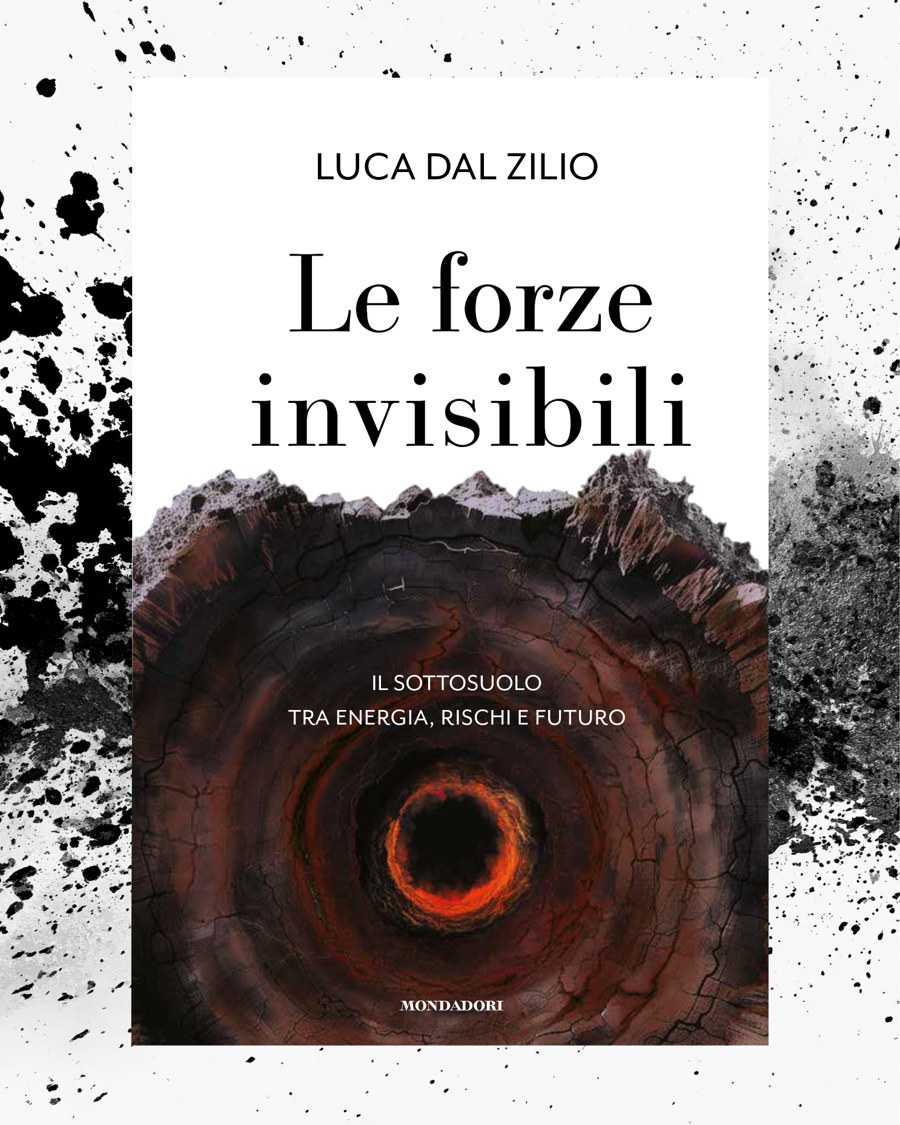
Le forze invisibili

Il sottosuolo tra energia, rischi e futuro
The Invisible Forces — The Underground, Between Energy, Risk, and the Future

Mondadori

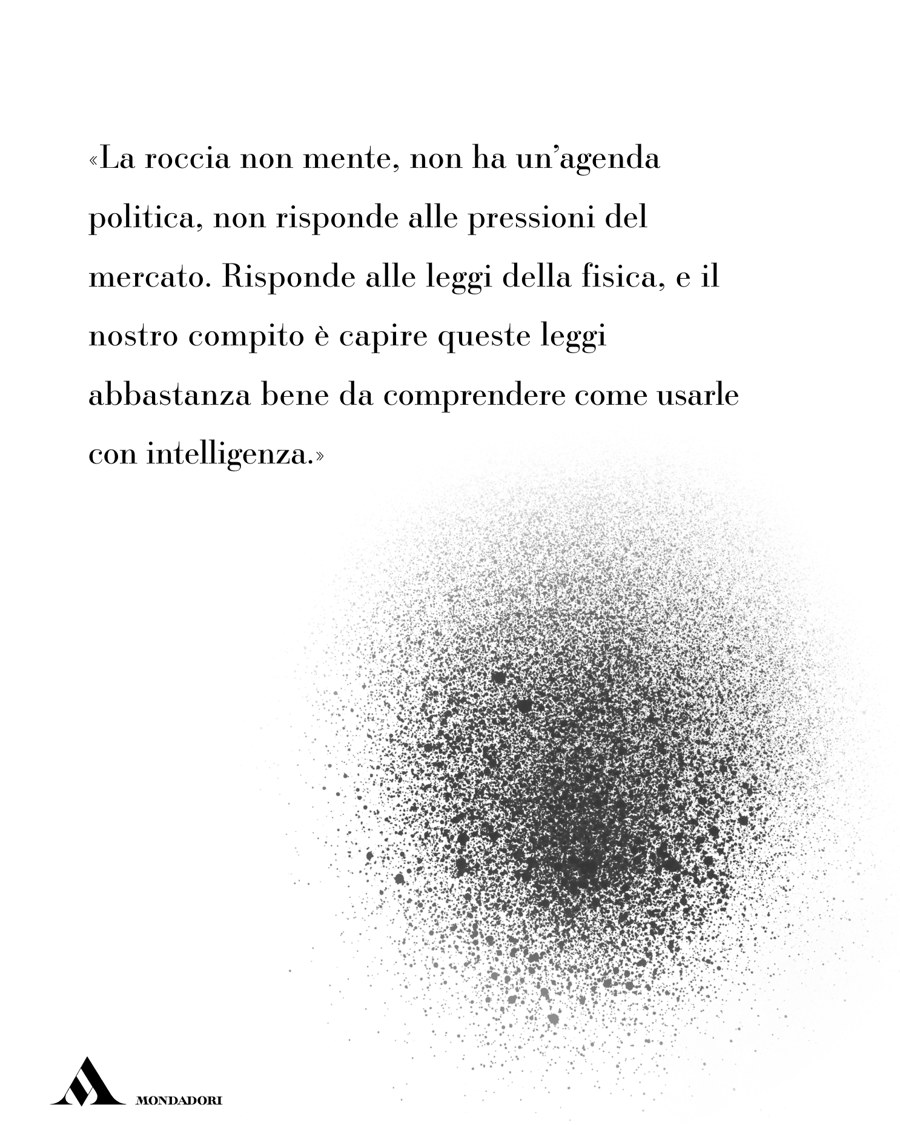
«La roccia non mente, non ha un’agenda politica, non risponde alle pressioni del mercato. Risponde alle leggi della fisica, e il nostro compito è capire queste leggi abbastanza bene da comprendere come usarle con intelligenza.»

“Rock doesn’t lie. It has no political agenda, and it doesn’t answer to market pressure. It answers to the laws of physics, and our task is to understand those laws well enough to know how to use them wisely.”

Italiano

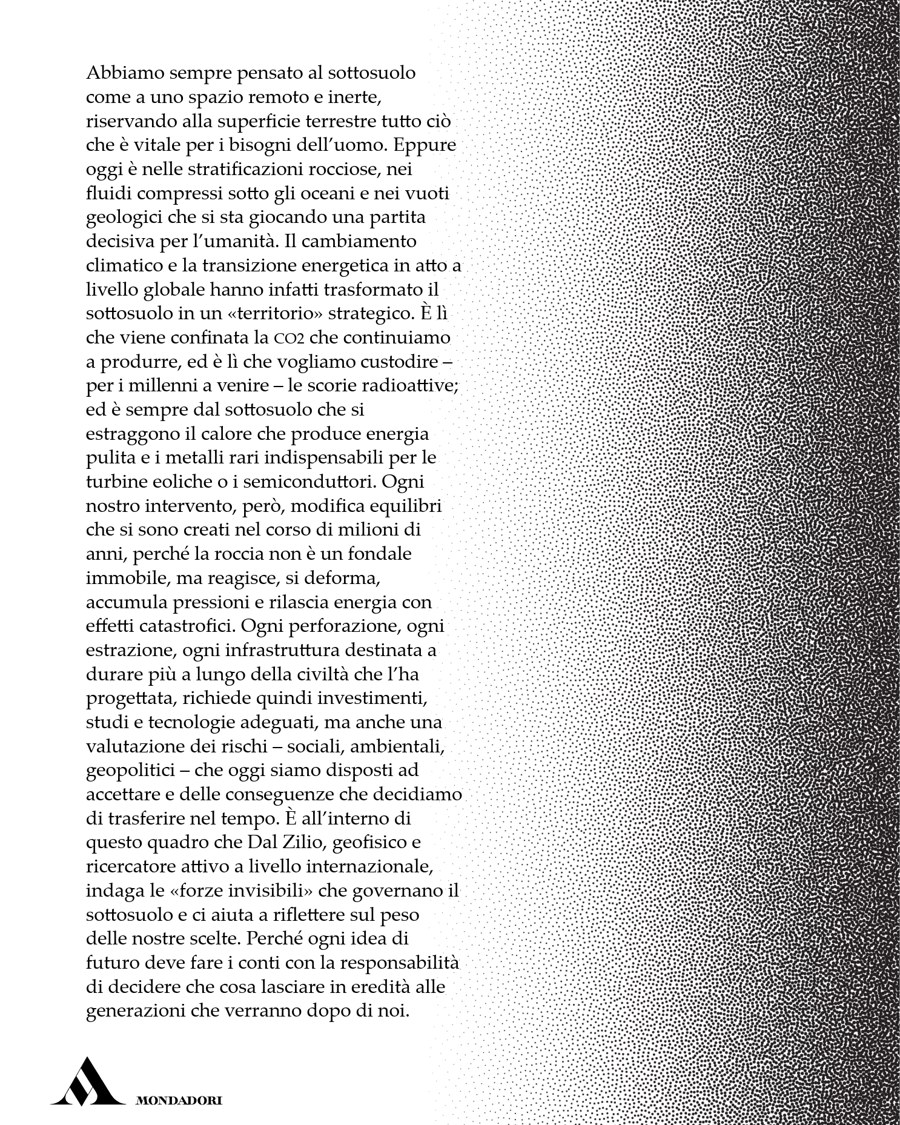
Abbiamo sempre pensato al sottosuolo come a uno spazio remoto e inerte, riservando alla superficie terrestre tutto ciò che è vitale per i bisogni dell’uomo. Eppure oggi è nelle stratificazioni rocciose, nei fluidi compressi sotto gli oceani e nei vuoti geologici che si sta giocando una partita decisiva per l’umanità. Il cambiamento climatico e la transizione energetica in atto a livello globale hanno infatti trasformato il sottosuolo in un «territorio» strategico. È lì che viene confinata la CO2 che continuiamo a produrre, ed è lì che vogliamo custodire – per i millenni a venire – le scorie radioattive; ed è sempre dal sottosuolo che si estraggono il calore che produce energia pulita e i metalli rari indispensabili per le turbine eoliche o i semiconduttori. Ogni nostro intervento, però, modifica equilibri che si sono creati nel corso di milioni di anni, perché la roccia non è un fondale immobile, ma reagisce, si deforma, accumula pressioni e rilascia energia con effetti catastrofici. Ogni perforazione, ogni estrazione, ogni infrastruttura destinata a durare più a lungo della civiltà che l’ha progettata, richiede quindi investimenti, studi e tecnologie adeguati, ma anche una valutazione dei rischi – sociali, ambientali, geopolitici – che oggi siamo disposti ad accettare e delle conseguenze che decidiamo di trasferire nel tempo.

È all’interno di questo quadro che Dal Zilio, geofisico e ricercatore attivo a livello internazionale, indaga le «forze invisibili» che governano il sottosuolo e ci aiuta a riflettere sul peso delle nostre scelte. Perché ogni idea di futuro deve fare i conti con la responsabilità di decidere che cosa lasciare in eredità alle generazioni che verranno dopo di noi.

English

We have always thought of the underground as a remote, inert space, reserving for the Earth’s surface everything vital to human needs. Yet today it is in the rock strata, in the fluids compressed beneath the oceans, and in geological voids that a decisive game for humanity is being played. Climate change and the global energy transition now underway have transformed the underground into a strategic “territory.” It is there that the CO2 we keep producing is confined, and there that we want to store, for millennia to come, radioactive waste; and it is likewise from the underground that we extract the heat that produces clean energy and the rare metals essential for wind turbines and semiconductors. Yet every intervention we make alters equilibria built up over millions of years, because rock is not a static seabed, but reacts, deforms, accumulates pressure, and releases energy with catastrophic effects. Every drilling operation, every extraction, every piece of infrastructure meant to outlast the civilization that designed it therefore requires adequate investment, research, and technology, but also an assessment of the risks, social, environmental, geopolitical, that we are willing to accept today, and of the consequences we choose to pass on through time.

It is within this framework that Dal Zilio, a geophysicist and internationally active researcher, investigates the “invisible forces” that govern the underground and helps us reflect on the weight of our choices. Because every vision of the future must reckon with the responsibility of deciding what to leave as a legacy to the generations who will come after us.

“
A good model does not tell you what will happen. It tells you what you are betting on.
Luca Dal Zilio
Get in touch